Tagline
Legislature to Submit to the Government
These are funny, but serious. The Drug war MUST END... how it ends, is on us. Tomorrow is another day of lost life. Every day is multiplied by 500,000 days at least. That lost days for living souls, for a unjust war on the people, by the people, and FOR "THE PEOPLE" So I must ask... WHY DO YOU SUPPORT THE DRUG WAR?
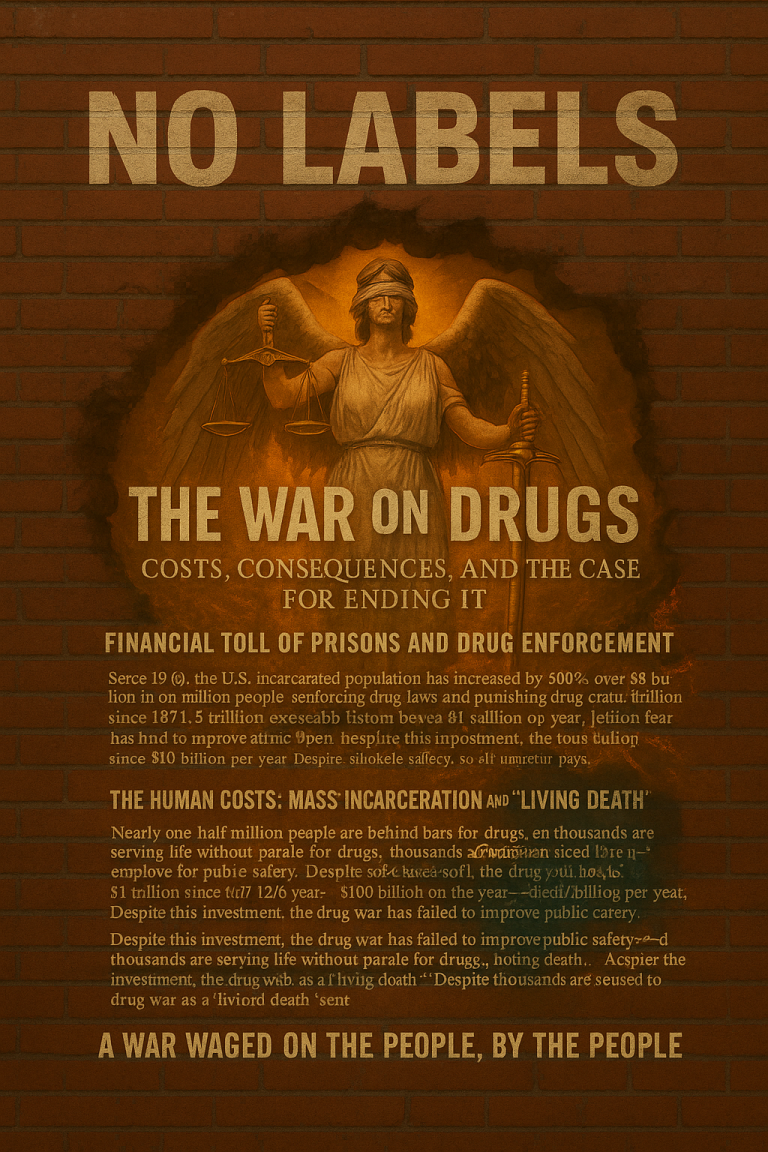
A case to end the DRUG WAR
research and a bill you could pass tomorrow. all here.. grass roots.
Unlike the 50/50 1... this is a real GRASS ROOTS PROTEST! With a SINGLE leader, no other agenda, and just work to show.
Unlike the 50/50 I am not BASED IN HATRED of ANYONE, other than my own UNCLE, and his specific bloodline.
Those people should be REMOVED from this earth for their deeds.
That is my PERSONAL war, and WHY I WANT TO BRING THE DUEL BACK!
However, The duel in the Research department is legislation that could be used on REPUBLICANS and DEMOCRATS to restore honor... to remove money from politics, and remove greater EVILS from our BLOOD, and from the Planet. If the worst types of people are drawn to power, then let them fight to the death to lead, and remove themselves from the genetic pool of diversity. less evil in our world, would be welcome.

Protecting Freedom, One Child at a Time Act.
1. The conclusion of the War on Drugs will leave law enforcement agencies with unprecedented, and frankly awkward, annual budget surpluses. Without a war to wage, the militarized police state risks idleness, over-policing, or worse—bureaucratic committee formation. To ensure public safety, protect liberty, and prevent government overreach, it is imperative that resources be redirected toward empowering the citizenry. The most effective method of ensuring lifelong preparedness is to begin with the earliest possible arming: at birth.
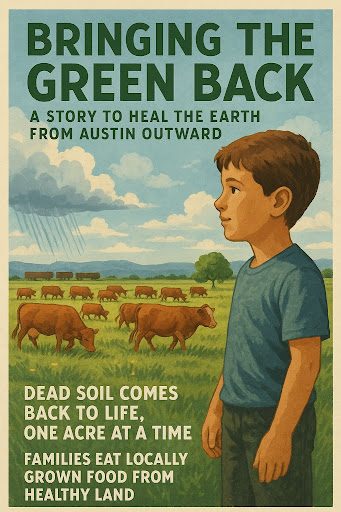
But, how could prison be profitable?
The War on Drugs has shaped Texas’s justice system with punishing outcomes—soaring incarceration, racial disparity, and financial waste—without meaningfully reducing addiction or trafficking. Texas’s prison system, rooted in plantation-era labor models, still pays incarcerated individuals nothing while charging them for basic needs (texasstandard.org). Today, over 133,000 Texans remain imprisoned at enormous public cost (texas2036.org), yet nearly half reoffend. In 2023 alone, Texas recorded over 23,000 arrests for cannabis possession (mpp.org), even as cities like Dallas push for reform. The state’s recent shift toward community-based treatment, diversion programs, and job training shows promise, but much more is possible. Our proposal offers a regenerative justice model—replacing forced prison labor with paid ecological work and reintegration support—proving that true rehabilitation can restore both people and land.